
Uncategorized
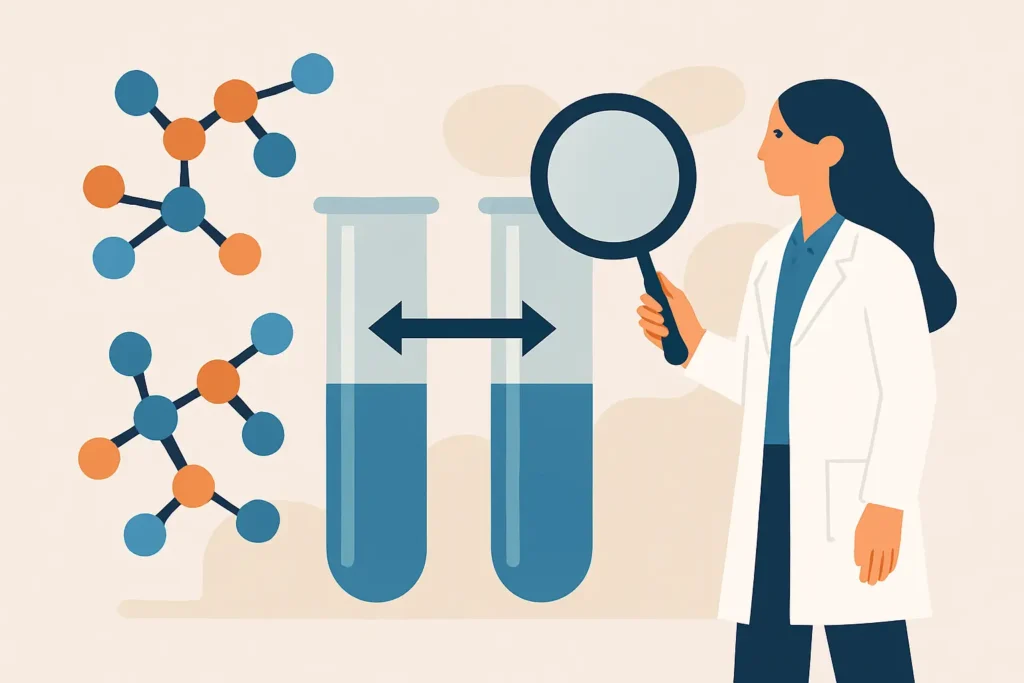
Peptide Consistency: What Changes Between Batches

Peptide batch to batch consistency depends on synthesis controls, testing, and handling. Learn what varies, what to verify, and what results mean.
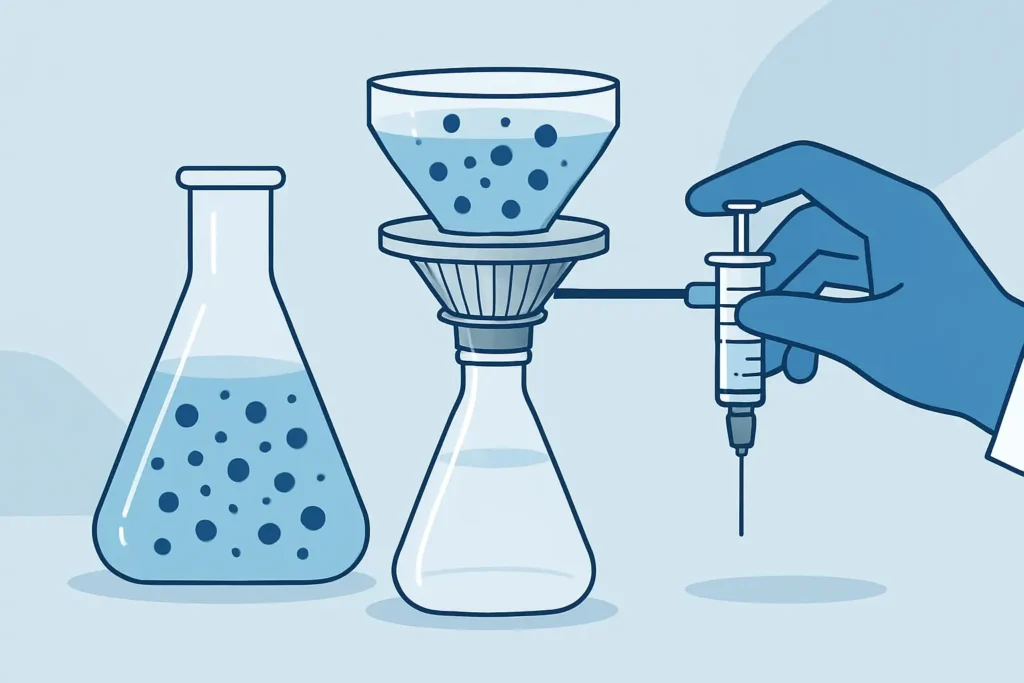
Sterile Peptide Filtration That Holds Up
A sterile peptide filtration protocol for research reconstitution: filters, aseptic setup, steps, and trade-offs to reduce bioburden and variability.
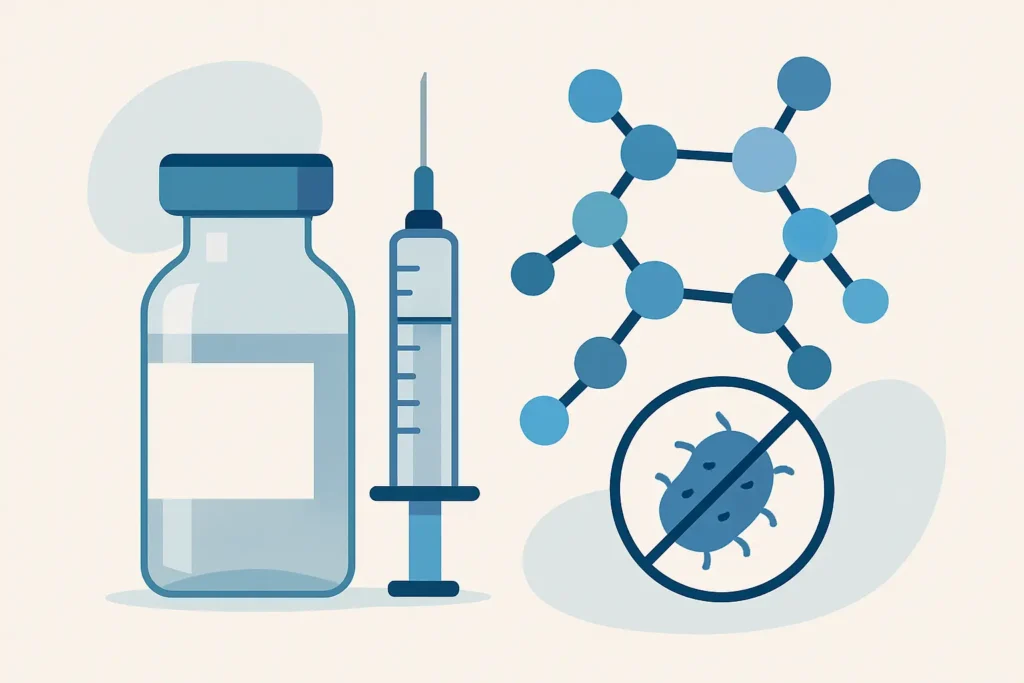
Bacteriostatic Water for Peptides Explained
Bacteriostatic water for peptides helps limit bacterial growth during reconstitution. Learn what it is, how it works, and handling basics for research.
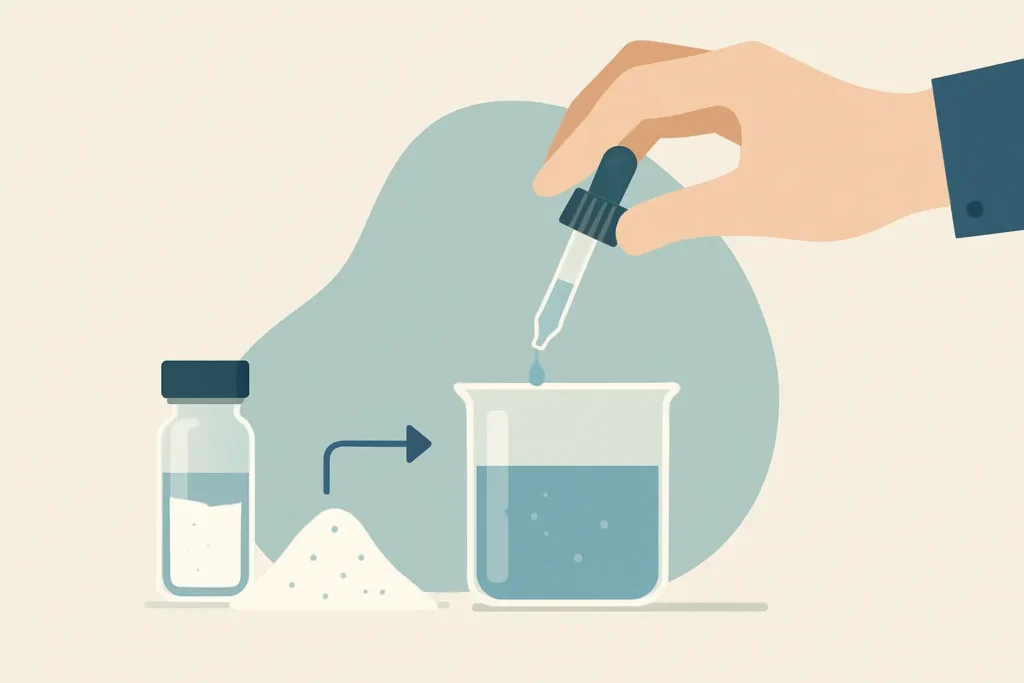
Reconstituting Peptide Powder Without Guesswork
Learn how to reconstitute peptide powder with accurate dilution math, sterile handling, and storage practices that support repeatable research results.
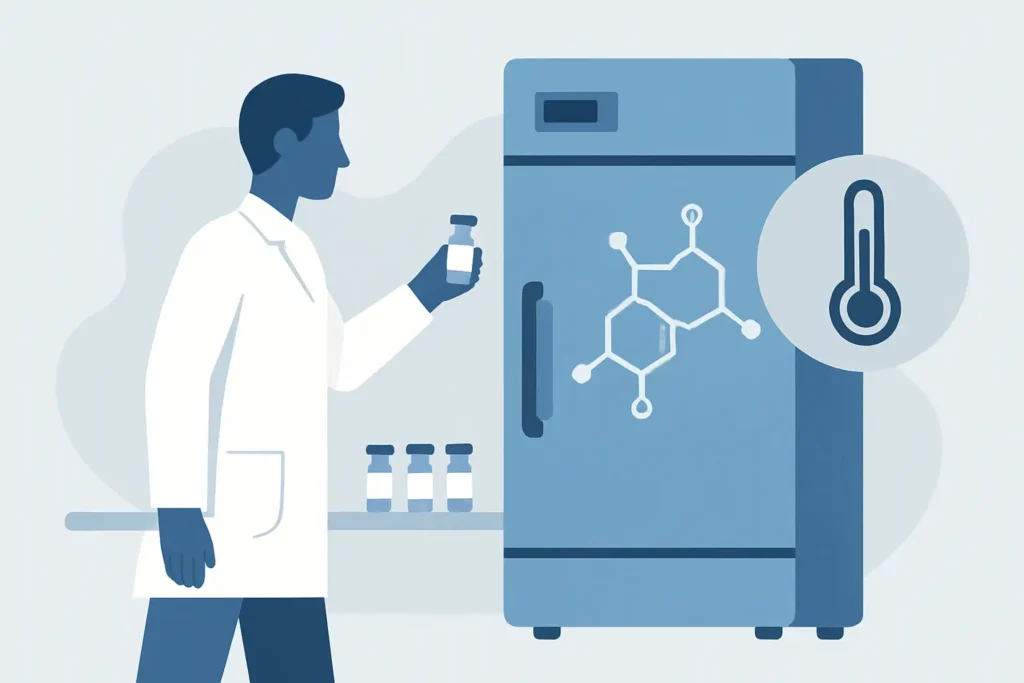
Research Peptide Storage Temperature, Explained
Research peptide storage temperature affects potency, drift, and repeatability. Learn best practices for powders and solutions, shipping, and thaw cycles.

Mass Spec Peptide Identity Testing Explained
A mass spectrometry peptide identity test confirms peptide sequence and detects mismatches, helping researchers verify lots before analytical work.
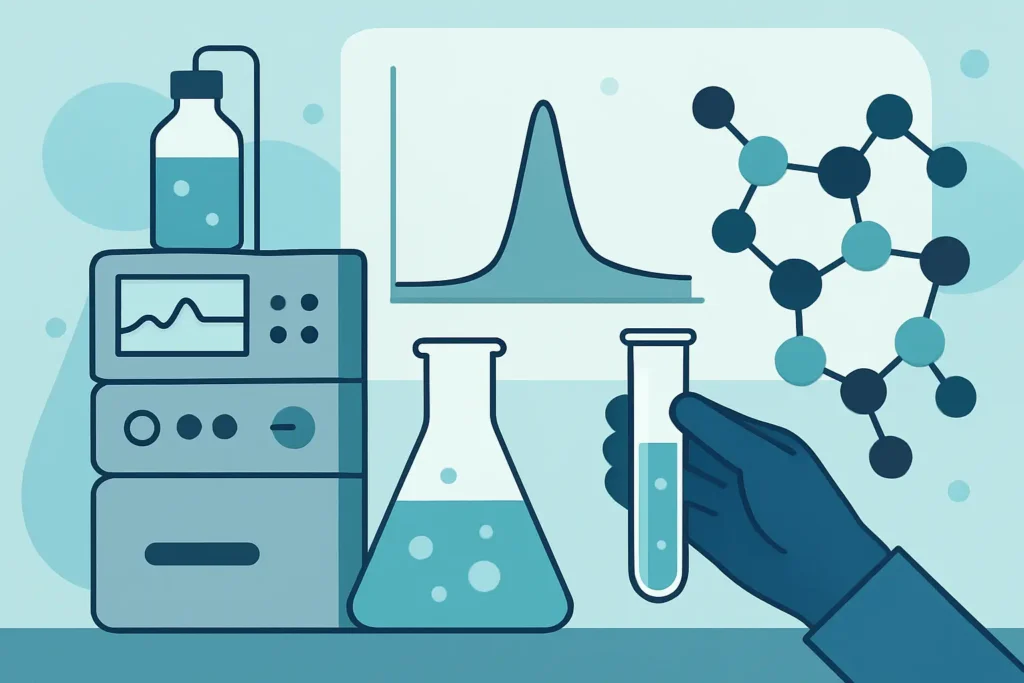
HPLC Testing for Peptides, Explained Clearly
HPLC testing for peptides explained for researchers: what it measures, how to read chromatograms, limits, and what “purity %” really means.
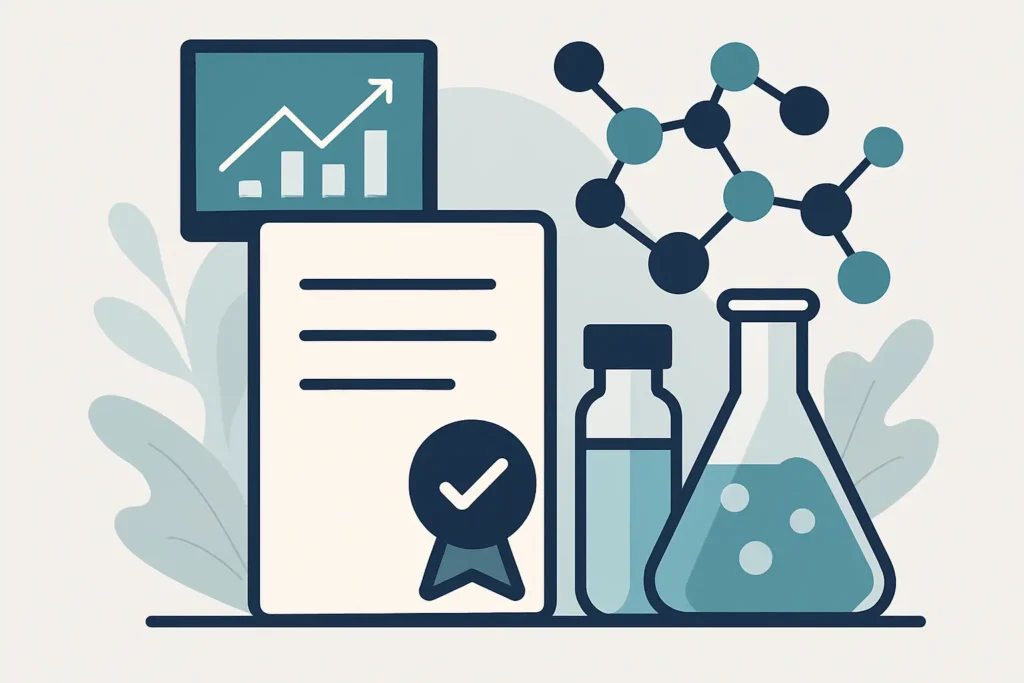
What Is a Peptide COA, and Why It Matters?
Learn what is peptide coa, what it should include, how to read it, and how it supports identity, purity, and batch consistency for research.

How to Verify Peptide Purity Without Guesswork
Learn how to verify peptide purity using COAs, HPLC/UPLC, MS, and basic handling checks so your research inputs stay consistent lot to lot.

What “Not for Human Consumption” Really Means
Clear explanation of research peptides not for human consumption meaning, why labels exist, what buyers should verify, and how to stay compliant.